


Topics JPMA Media Forum" Held Considering the various values that pharmaceuticals can bring - For the rich everyday life that patients and their families desire
On February 28, 2024, the JPMA Media Forum was held at the Nomura Conference Plaza Nihonbashi (Chuo-ku, Tokyo). Under the theme of "Considering the various values that pharmaceuticals bring - for the affluent daily lives that patients and their families desire", the forum was facilitated by Dr. Tsuyoshi Goto of Keio University, and featured lectures by Ms. Kanako Kikuchi of Mitsui Memorial Hospital, Dr. Naoko Shirado of Showa University, and Dr. Tadafumi Kato of Juntendo University. The lectures were delivered by Kanako Kikuchi of Mitsui Memorial Hospital, Tadafumi Kato of Showa University, and Tadashi Kato of Juntendo University. The event was attended by 16 reporters from 13 companies at the venue and via webcast.
Background of the Forum
As Japan faces an aging society with a declining birthrate and the number of "supporters" in the social security system continues to decline, pharmaceuticals are expected to contribute to increasing the number of "supporters" by extending healthy life expectancy. For example, by curing diseases or inhibiting the progression of disease, pharmaceuticals can improve the quality of life (QOL) of patients, improve productivity loss, and contribute to their reintegration into society.
In addition, it also brings various values, such as reducing the workload of not only patients but also healthcare professionals and caregivers of patients' families.
In this session, we will focus on diseases such as atopic dermatitis, dysmenorrhea, and mood disorders to clarify the current situation and issues related to the decline in QOL and loss of productivity, and then discuss how pharmaceuticals contribute to the lives of patients and their families, and what is expected of pharmaceuticals in the future. The Forum will be held as an opportunity to discuss how pharmaceuticals contribute to the lives of patients and their families and what is expected of pharmaceuticals in the future, and to consider the various values that pharmaceuticals possess.
The following is a transcript of the lectures.
Opening Remarks
Dr. Tsutomu Goto, Graduate School of Business Administration, Keio University
Recently, medical science and medicine have made remarkable progress, and treatment options are expanding. Some drugs aim for a complete cure, while others are not a cure, but allow patients to continue living with their disease. However, because each patient's background and life situation is different, it is necessary to consider the individual patient's situation when considering the value of a drug. However, the value associated with these patient characteristics is not always fully evaluated in the drug approval process.
Although there is an academic movement to evaluate the various values of pharmaceuticals, it is necessary to exchange opinions among the parties concerned first, as each disease and each patient's situation is different. However, such opportunities are limited. For this reason, we would like to provide an opportunity to hear from doctors in the clinical field who are treating patients by listening to the voices of individual patients, and to experience concrete examples of diverse values.
When considering the value of goods and services in general, the values of producers and consumers are usually adjusted, and the market mechanism is used to adjust values. In healthcare, however, such adjustment does not work. This is because of the asymmetry of information, which prevents patients from accurately grasping the value of medicines, and because the value of medicines, like vaccines, spreads to people other than patients. Therefore, in the case of healthcare and pharmaceuticals, communication between producers and consumers and value assessment by third parties are important. In doing so, emphasis is placed not only on objective numerical values such as clinical trial results, but also on subjective evaluations based on patients' opinions.
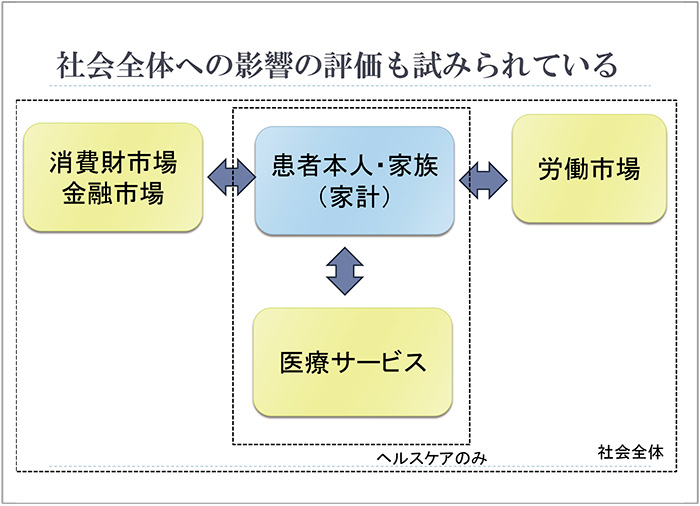
Thus, a movement to organize the value of pharmaceutical products has begun, but such value is not necessarily measurable. Currently, established measurement methods are limited to items such as quality of life, labor productivity, and impact on the family. However, in health economics, specific studies are underway to determine how patients and their families are affected by the labor market when they receive medical services, and how they use the income they receive to engage in consumption and financial markets ( Figure 1 ). For example, in addition to evaluating the conventional impact of drugs for nocturia on labor productivity, some overseas studies are also evaluating the impact of such drugs on society as a whole, including the labor market and the financial market.
Figure 1 Social Impact of Value
Subject 1
The Social Impact of Atopic Dermatitis
Kanako Kikuchi, Chief, Department of Dermatology, Mitsui Memorial Hospital
Atopic dermatitis is a very common disease, including mild cases
Atopic dermatitis is a common disease among young people and has become a major social problem. A major difference between the Atopic Dermatitis Clinical Practice Guidelines 2018 and the Atopic Dermatitis Clinical Practice Guidelines 2021 is the new availability of biologics. 30 years until 2020, there were not many changes in pharmaceutical treatment, but in the last few years, groundbreaking new drugs have been brought to market. The Japanese Dermatological Association (JDA) is a public interest organization.
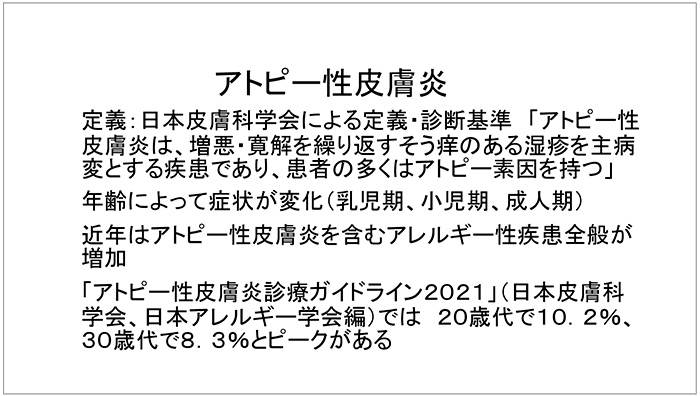
The definition and diagnostic criteria of atopic dermatitis by the Japanese Dermatological Association ( Figure 2 ) states that "atopic dermatitis is a disease characterized by pruritic eczema with repeated exacerbations and remissions, and that most patients have a predisposition to atopy," and that symptoms vary with age. The symptoms vary with age, and allergic diseases in general, including atopic dermatitis, have been increasing in recent years. According to the "Atopic Dermatitis Clinical Practice Guidelines 2021," the prevalence of atopic dermatitis peaks at 10.2% in people in their 20s and 8.3% in people in their 30s, and it is not an uncommon disease.
Figure 2 Definition and diagnostic criteria of atopic dermatitis
Factors related to the development of atopic dermatitis
The most common factor in the development of atopic dermatitis is an allergic mechanism (abnormal immune function). High serum IgE levels are seen in almost all cases, and it is known that Th2 helper T cells predominate over Th1 cells in lesions. As a non-allergic mechanism, abnormal skin physiology is deeply involved in the pathogenesis of the disease, and dry skin lowers the itch threshold, leading to a negative cycle.
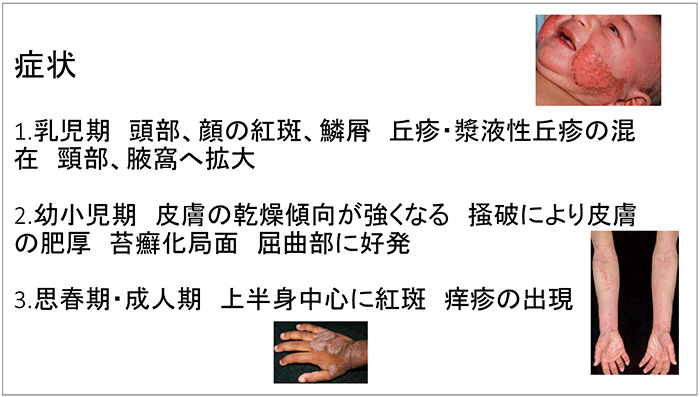
The incidence is not so high in infancy. At the onset, serous papules appear on the face and other parts of the body, and may spread to the neck and axillae. In childhood, atopic skin (dry skin) becomes more intense, and in some cases, the skin becomes thickened by scratching, while in others, the skin becomes thick and lichen-like, or lichenification. The imaging findings in children are shown in Figure 3. Most patients improve during childhood, but some continue into adolescence and adulthood. In adults, erythema, pruritus, and erythema centered on the upper body appear.
Figure 3 Symptoms of atopic dermatitis
Examination, Diagnosis and Treatment
Peripheral blood eosinophils are always tested, and elevated serum IgE and specific IgE antibodies (house dust and mite antigens) are confirmed. The treatment strategy is to control the inflammation of the dermatitis, and if it is caused by house dust, etc., countermeasures against aggravating factors and moisturizing are performed.
Regarding drug therapy, the first step is to use a strong topical steroid. There are four strengths of topical steroids, and the amount of steroids can be reduced by first using a strong topical steroid to suppress inflammation, followed by moisturizers, immunosuppressants, etc.
Regarding systemic drug therapy, oral steroids are generally not allowed in childhood, but may be prescribed in the short term in adults if the disease is severe enough. Although immunosuppressive agents must be used with caution due to side effects such as hypertension and decreased renal function, they can be prescribed in some cases because, as with steroids, they can be used in smaller doses than in other diseases, and the dose can be reduced.
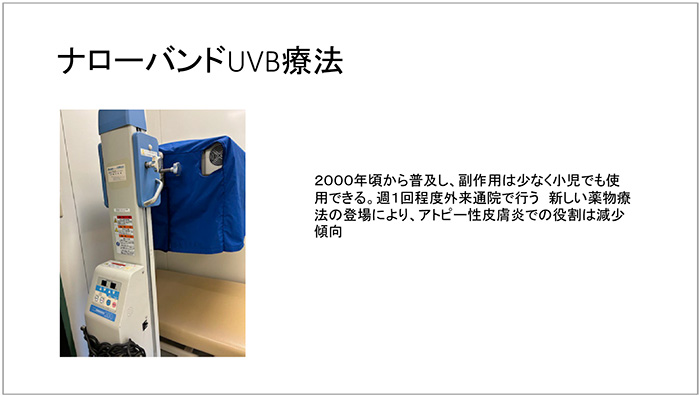
Narrowband UVB therapy ( Fig. 4) is a phototherapy using medium-wavelength ultraviolet rays of around 311 nm and is effective not only for atopic dermatitis but also for psoriasis and vitiligo. It is also performed in clinics and small and medium-sized hospitals. It can be used even for children because it has few side effects, but during periods of high inflammation, weekly visits to the hospital are a disadvantage.
Figure 4 Narrowband UVB therapy
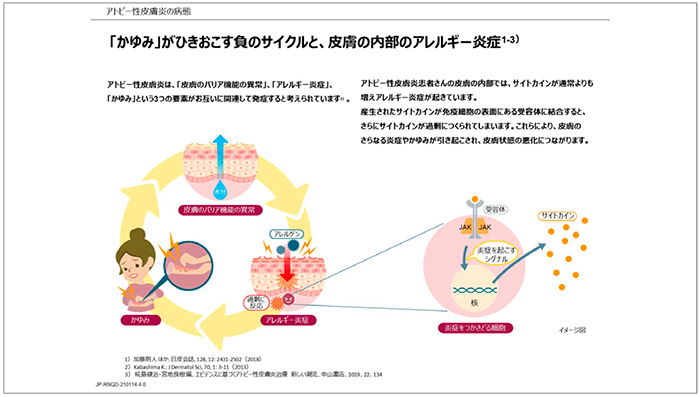
Atopic dermatitis is thought to develop in association with three factors: abnormal skin barrier function, allergic inflammation, and itching. Allergic inflammation occurs inside the patient's skin due to a higher than normal increase in cytokines, and when the cytokines produced bind to receptors on the surface of immune cells, additional cytokines are produced in excess. This causes further inflammation and itching of the skin, leading to deterioration of the skin condition ( Figure 5 ).
Figure 5 Pathogenesis of atopic dermatitis
New drug therapies
Recently, new drugs such as JAK inhibitors, PDE inhibitors, and human anti-human IL-4/13 receptor monoclonal antibodies have been launched and are often prescribed as maintenance therapy after suppressing inflammation with steroids.
The Department has been using humanized anti-human IL-4/13 receptor monoclonal antibody in 12 patients since April 2020. Within one month of use, skin symptoms and itching decreased in all cases, and quality of life improved, including increased work efficiency.
Subsequently, an oral JAK inhibitor, a systemic drug therapy, was launched. We present a case of a 12-year-old girl with atopic dermatitis. She had been treated with topical steroids for atopic dermatitis since infancy, but was referred to our department due to poor control. After 3 months of treatment with an oral JAK inhibitor, her skin rash was in remission, her eosinophils were normal, and the use of topical steroids was discontinued.
The oral JAK inhibitor has been used in 9 patients since August 2021, and all showed improvement in skin symptoms, reduced itching, and improved sleep and work efficiency within about a month. Although it has only been used in one pediatric patient, its efficacy has been confirmed and topical steroids are no longer necessary. The patient's quality of life was also improved, with reduced dosage and frequency of hospital visits expected in the future, as well as improved sleep. Until now, it has been difficult for children with atopic dermatitis to participate in club activities and other physical education-related activities at school, but we feel that the elimination of the need for topical application through oral drug treatment is very beneficial for the patients.
Subject 2
Listen! Listen! Effectiveness! Menstrual Associated Symptoms and Preconception Care
Nahoko Shirado, Associate Professor, Department of Obstetrics and Gynecology, Showa University School of Medicine
Pregnancy and childbirth, tumors, and infertility are typical but not the only diseases that obstetrics and gynecology deals with. The first word in the title of the lecture, "Listen," is what I want you to hear, the second word, "Listen," is "listening," and I use it as a way to interact with patients by listening and being attentive, and the third word, "Be effective," means that I want the medicine to be effective.
Social, psychological, and physical background of women
As for the social background, women are increasingly entering the workforce, and there is no longer a gender gap in university enrollment, but the percentage of women in management positions is still low in Japan compared to other countries.
As for the psychological background, according to the National Survey of Family Life, women are reported to be more worried and stressed than men in all generations, with about 50% of them feeling psychological burden. It is also known that nervous emaciation, panic disorder, anxiety disorder, and depression are also more common among women.
In the physical context, changes from childhood to old age are related to steroid hormones. At puberty, menarche is reached and various symptoms such as dysmenorrhea and accompanying symptoms develop. Sexually transmitted diseases, uterine fibroids, and endometriosis are also very common before pregnancy and childbirth, and all of these diseases are related to women.
Preconception care from puberty
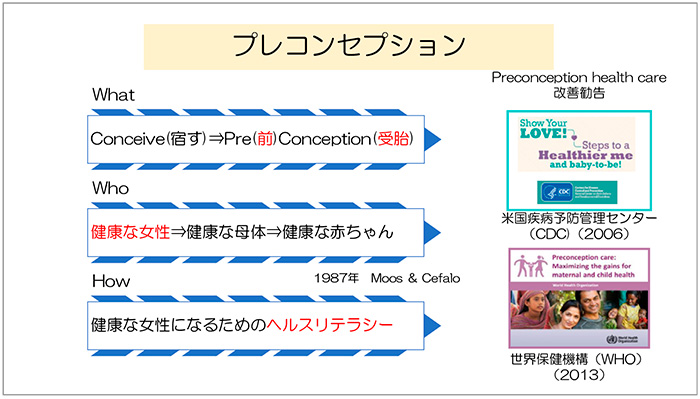
Preconception ( Fig. 6 ): Pre means "before" and conception means "in preparation for conception," meaning that the woman must face her daily life and health in preparation for conception. But before you can be a healthy mother, you need to be a healthy woman. Health literacy is important for this, but it is currently low in Japan. Specific preconception care includes sex education from puberty, health management and stress reduction in the 20s, drinking, menstrual control using the pill, cervical cancer screening, smoking, rubella vaccine before marriage, information sharing between men and women on genetic diseases, moderate exercise (about 150 minutes), family gynecologist and health checkups.
Figure 6 Preconception care
Self-care and treatment of symptoms associated with menstruation
Menstrual complications are a disease with a large social impact. Although they should be treated immediately by seeing a gynecologist, many people are still patient and do not receive any treatment. As for menstrual leave, it seems that women are not taking it as often as they used to due to the increase in the number of women entering the workforce. In fact, until around 1965, about 25% of menstrual leave was taken, but now only about 1% is taken, partly due to improvements in sanitary products and medications. There is now a movement to rename the leave as wellness leave and make it a health promotion leave regardless of gender. In any case, if there is a physical condition caused by menstruation that necessitates taking leave, a visit to a gynecologist is necessary.
Menstrual symptoms are classified into premenstrual symptoms, which occur before menstruation, and menstrual symptoms, which occur during menstruation, and it is said that as many as 80% of people suffer from premenstrual symptoms. Furthermore, it has been reported that more than half of the respondents have considered resigning their jobs or turning down promotions due to premenstrual symptoms, making it a major social problem. In addition, the amount of labor loss is estimated at approximately 490 billion yen, and there are reports that about half of the people affected are only able to perform at about half their normal level, making dysmenorrhea a disease with significant social losses.
Dysmenorrhea refers to various symptoms such as lower abdominal pain and headache that occur during menstruation, and its incidence is increasing among teenagers. When menstrual flow is different from normal, it may indicate a hidden pregnancy. Abdominal pain may not be the only gynecological disorder that needs to be ruled out (diagnosed by exclusion). This falls under the "listen" category described at the beginning. In some cases, drug therapy may be successful, so it is important to visit an outpatient clinic. As for anemia, it is an important symptom that cannot be overlooked among the menstrual concomitant symptoms.
Regarding treatment ( Figures 7, 8, and 9 ), we hope that patients will first develop the habit of seeing a hospital from the time of puberty. Then, about 80% of cases can be alleviated by the use of non-steroidal anti-inflammatory analgesics. And Chinese herbal medicine and OC (oral contraceptives)/LEP (low-dose pills) are also very effective.
Figure 7 Treatment of dysmenorrhea (1)
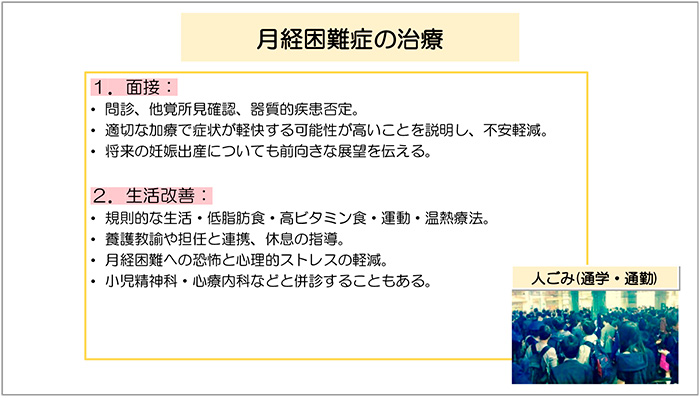
Figure 8 Treatment of dysmenorrhea (2)
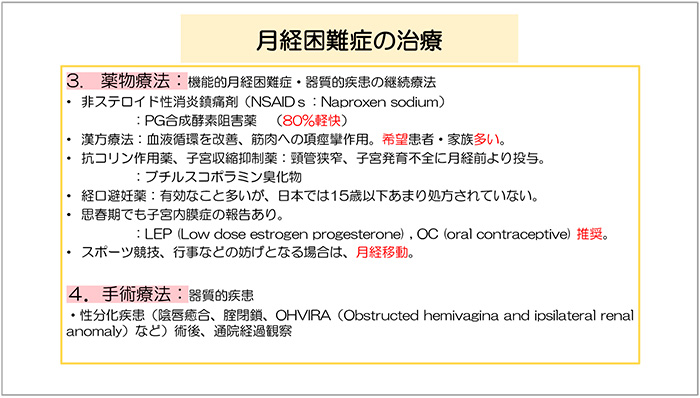
Figure 9 Treatment of dysmenorrhea (3)
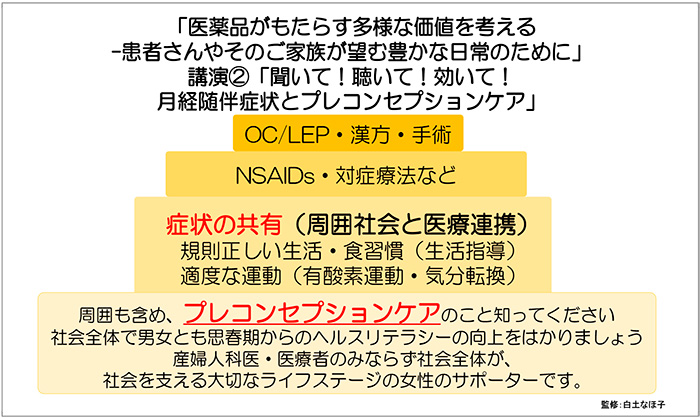
First of all, I would like you to know about preconception care. I believe that if women and men alike are made aware of this from the time of puberty, and if not only obstetricians and gynecologists, but also medical professionals and all the people who support society can raise awareness, their activities will lead to support for women.
Subject 3
Mood Disorders - From Social Impact to Treatment
Tadashi Kato, Chief Professor, Department of Psychiatry, Juntendo University School of Medicine
Social impact of mental illness
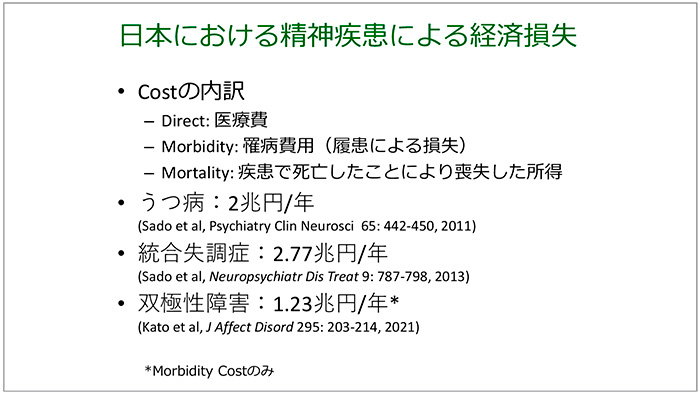
While cancer is the most common life-limiting illness, mental illness is said to be the most common illness that prevents people from working ( Figure 10 ). In fact, mental and behavioral disorders account for the largest share of injury and illness benefits for most age groups. Regarding the impact on work productivity, our survey confirms that in the past 7 days, work productivity decreased by about 40% for depression and 48% for bipolar disorder ( Figure 11 ). Furthermore, in terms of employment rates, 60-88% of people with depression and 40-75% of people with bipolar disorder are underemployed, and the economic loss is estimated to be 2 trillion yen for depression and 1.2 trillion yen for bipolar disorder ( Figure 12 ), indicating that the social impact of the disease is extremely large. According to a survey by the Ministry of Health, Labour and Welfare (MHLW), the number of patients currently attending hospitals is approximately 1.72 million, but the actual number of patients is said to be many times this number. For this reason, the World Health Organization (WHO) has stated that depression will be the world's largest health problem by 2030.
Figure 10 Impact of disease on life
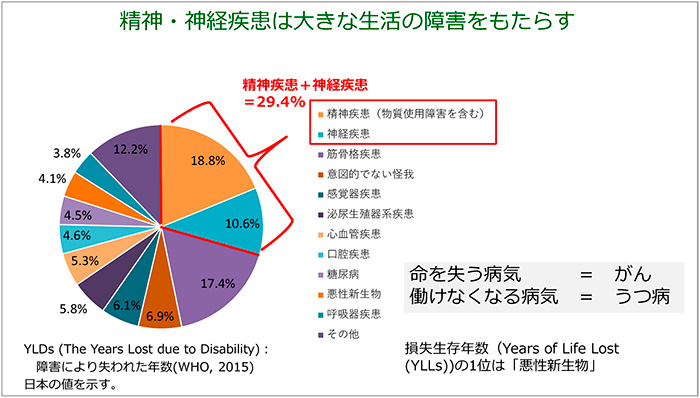
Figure 11 Mood disorders Decreased labor productivity due to
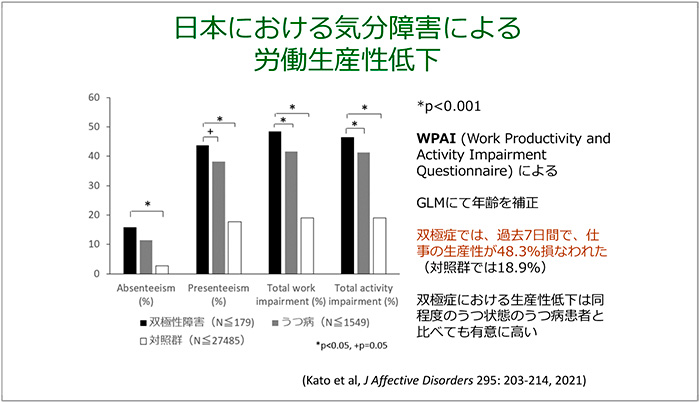
Figure 12 Economic loss due to mental illness
Depression and Bipolar Disorder
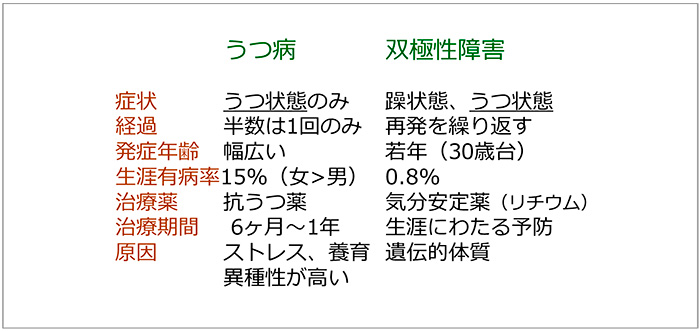
Depression is a depressive disorder that affects people of all ages, with a prevalence rate of about 15% worldwide. Stress, upbringing, and other factors play a major role in its cause. Bipolar disorder, on the other hand, is a disorder in which manic or hypomanic episodes occur in addition to depressive episodes, and these episodes are repeated. Most cases occur at a young age, with a prevalence of about 0.8% ( Fig. 13 ).
Regarding treatment, while antidepressants are the first choice for depression, bipolar disorder is characterized by completely different features, such as the absence of antidepressants, even though they present with the same depressive state. In addition, more than half of bipolar patients develop from a depressed state, so even bipolar disorder is initially diagnosed as depression. Thus, depression includes latent bipolar disorder, making it difficult to distinguish between the two.
Figure 13 Depression and bipolar disorder
Symptoms, diagnosis, and treatment of depression
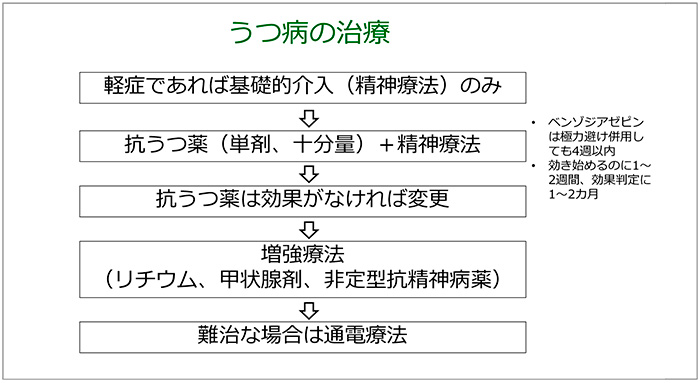
Depression takes a lot of time to go into remission once it develops, and in some cases it takes about a year from onset to return to work after hospitalization and treatment. In diagnosis, it takes about a long time (30 minutes to an hour) because it is necessary to rule out all depression due to thyroid disease, dementia, drug-induced conditions such as interferon, bipolar disorder, etc.
As for treatment, in mild cases, psychotherapy alone is sufficient, and in moderate or higher cases, antidepressants are administered. Benzodiazepines should be avoided as much as possible, and if used, should be limited to 4 weeks or less to avoid the risk of dependence. Side effects of antidepressants appear early in the course of treatment, but it takes approximately one week for the effects to appear, and another one to two months to determine efficacy. If the initial antidepressant is ineffective, the patient is switched to the next antidepressant, and if that is still ineffective, augmentation therapy with lithium, a mood stabilizer, thyroid hormones, or atypical antipsychotics is added to the antidepressant. Even if this is ineffective, electroconvulsive therapy leads to remission in 80-90% of patients ( Fig. 14 ).
Figure 14 Treatment of depression
Onset of depression and mechanism of action of antidepressants
Depression is caused by a deficiency of the neurotransmitter serotonin, and antidepressants were believed to be effective by increasing serotonin. (brain-derived neurotrophic factor), which can stretch atrophied neurons. The relationship between stress and inflammation has attracted attention as a cause of atrophy, and it has been reported that when nerve cells are damaged by stress, damage-related molecules are generated from them, and immune cells are also activated to promote inflammation. In fact, a decrease in dendritic spine protein has been observed in the brains of depressed patients. In animal experiments, it has also been confirmed that stress decreases synapses, new synapses are formed by antidepressant treatment, and destruction of increased spines by antidepressant treatment does not cure depression, confirming a parallel relationship between increased or decreased synapses and depression.
For this reason, medical school lectures teach that depression is a microscopic disease and not a disease of the mind. We tell them that due to the uniqueness of the brain as an organ, it is difficult to confirm due to ethical and technical hurdles, and that it is a big mistake to examine patients while thinking they have a mental illness.
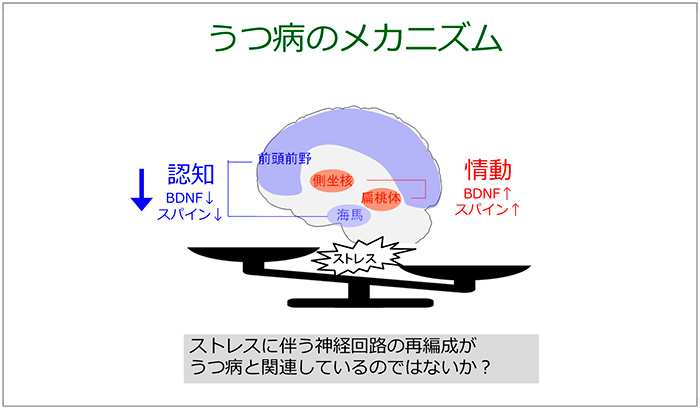
Other treatments include cognitive-behavioral therapy to correct cognitive distortions such as "all-or-nothing thinking" and "overgeneralization. Cognitive distortions refer to emotional information processing, and patients with depression are said to have stronger activation to emotional stimuli. While a decrease in synapses has been observed in the prefrontal cortex and hippocampus, which are involved in cognition, synapses are rather increased in the amygdala and nucleus accumbens, which are involved in emotion. In other words, in chronic stressful situations, cognition cannot cope, and emotional information processing takes precedence. Neuronal reorganization in such situations is thought to be the pathogenic mechanism of depression ( Fig. 15 ).
Figure 15 Pathogenesis of depression
Bipolar disorder
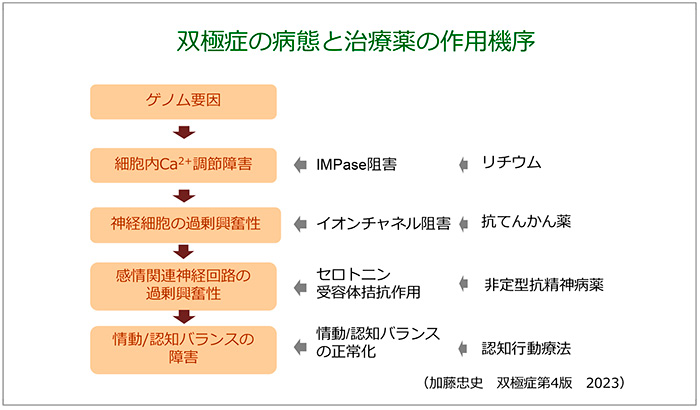
Bipolar disorder is a recurrent state of depression and mania. Treatment is a combination of lithium, a mood stabilizer, antiepileptic drugs, and atypical antipsychotics, without the use of antidepressants. The disease is often difficult to treat, and according to our survey, inappropriate diagnosis, prescription of antidepressants, noncompliance with guidelines, and problems with acceptance of the disease were among the causes. The pathogenesis of the disease is genomic, with pathophysiological factors such as intracellular Ca2+ dysregulation, neuronal hyperexcitability, overexcitability of emotion-related neural circuits, and emotional/cognitive imbalance being elucidated, and lithium, antiepileptic drugs and atypical antipsychotic drugs are effective by acting on different points of action in the pathophysiological pathway. This is why bipolar disorder is often associated with a high risk of psychosis. This is why combination therapy is recommended for bipolar disorder ( Figure 16 ).
Figure 16 Pathophysiology and treatment of bipolar disorder
Concluding Remarks
This forum introduced the various values of pharmaceuticals, such as their impact on productivity, quality of life, and family.
In Japan, the available time is decreasing due to the declining and aging population, and therefore, efficiency must be improved. Productivity is related not only to labor but also to a wide range of other activities such as study, club activities, or volunteer activities, and it is significant to expand this connection with society in the face of various diseases. I look forward to further development of discussions on the diverse values of pharmaceuticals and other medical technologies.
( Masaaki Kozaki, Koji Iida, Tomohiro Murakami, and Takuro Matsuda, Industrial Promotion Subcommittee, Pharmaceutical Industrial Policy Committee)